
The introduction of mobile courts is contributing significantly to the decongestion of correctional facilities, Zambia Correctional Service (ZCS) Commissioner General, Mr. Fredrick Chilukutu has said.
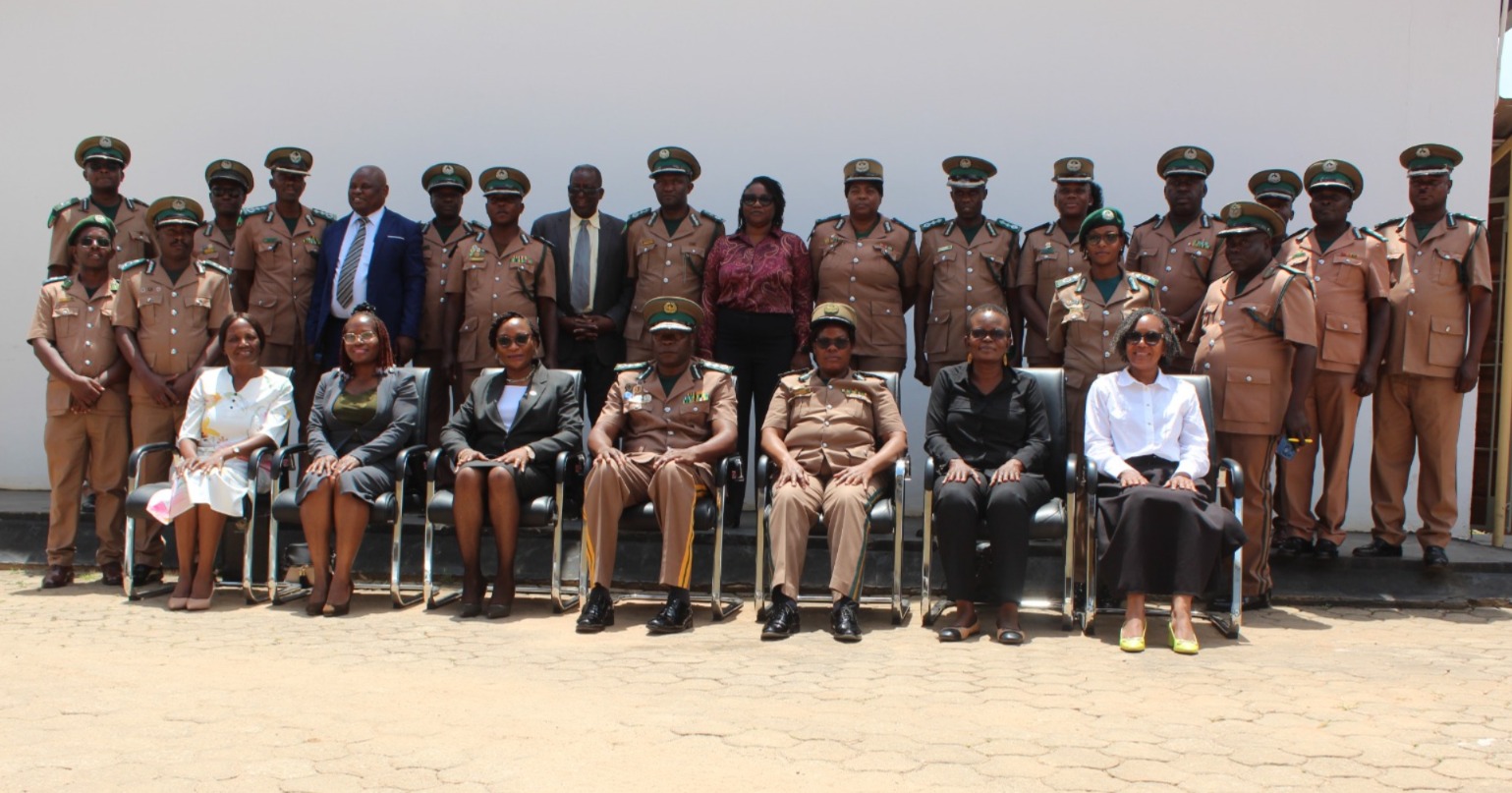
Mr. Chilukutu was speaking when Human Rights Commission of Zambia (HRC-Z) Chairperson, Dr. Pamela Towela Sambo paid a courtesy call on him yesterday, January 28, 2026, at the ZCS headquarters in Lusaka.
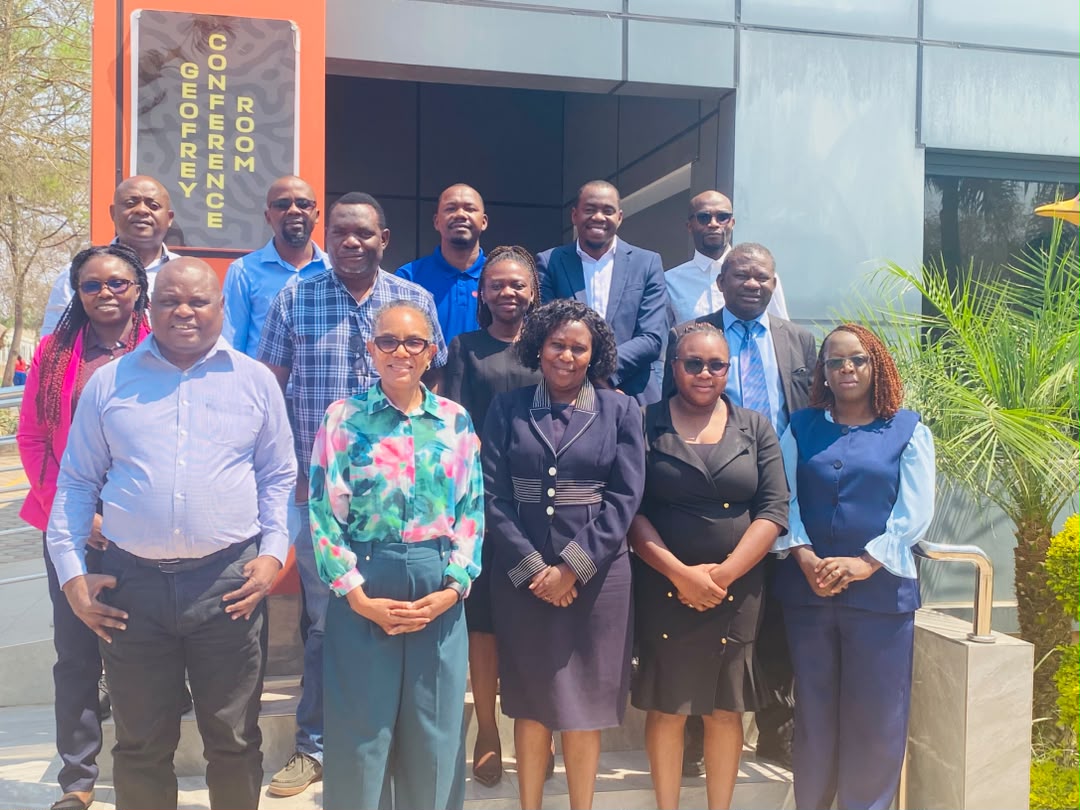
The Chairperson was accompanied by the Vice-Chairperson Dr. Felicity Kayumba Kalunga, Commissioner Panic Malawo Chilufya, Commissioner Laura Miti, Director General, Ms. Mbololwa Wamunyima, and members of staff from the Secretariat.
During the courtesy visit, Dr. Sambo expressed the Commission’s concern over overcrowding in correctional facilities, noting that the situation undermined the dignity, health, and safety of persons deprived of liberty.
“We have established that at the moment, Nchelenge Correctional Facility in Luapula Province is servicing both Nchelenge and Kaputa Districts, thereby being severely overcrowded, with numbers of persons in detention far exceeding its original designed capacity,” Dr. Sambo noted, adding that the situation was not different in other correctional facilities.
“This has resulted in inadequate sleeping space, excessive strain on sanitation facilities, and heightened risks to health, safety, and security. The Nelson Mandela Rules require that accommodation for prisoners must respect human dignity, including adequate floor space, ventilation, lighting, sanitation, and appropriate sleeping arrangements. Similarly, Article 5 of the Charter prohibits torture and cruel, inhuman, or degrading treatment or punishment,” she said.
Meanwhile, the Commissioner General disclosed that ZCS was working round the clock to come up with practical measures of reducing overcrowding in correctional facilities while government looked at long-lasting solutions to address the problem.
“Chair, the issue of congestion in our facilities, especially Lusaka Central and Nchelenge as you have rightly observed, is of significant importance to us. We are very concerned about it. Yes, the budget line for infrastructure was not funded, but we are not just sitting idle,” Mr. Chilukutu said.
He explained that the Service was constantly engaging government on the matter and noted that deliberate and sustainable interventions were being pursued to address congestion.
The introduction of mobile courts was cited as one of the practical measures taken by government to free up overcrowded correctional facilities, and notable progress was seen in the disposing of long-pending cases, reducing security risks and lowering operational costs associated with the movement of persons in detention.
Other notable measures implemented by government aimed at decongesting correctional facilities were the construction and rehabilitation of correctional infrastructure, in particular the Livingstone Female Correctional Centreand the launch of ultra-modern facilities at Mwembeshi and Nasanga.