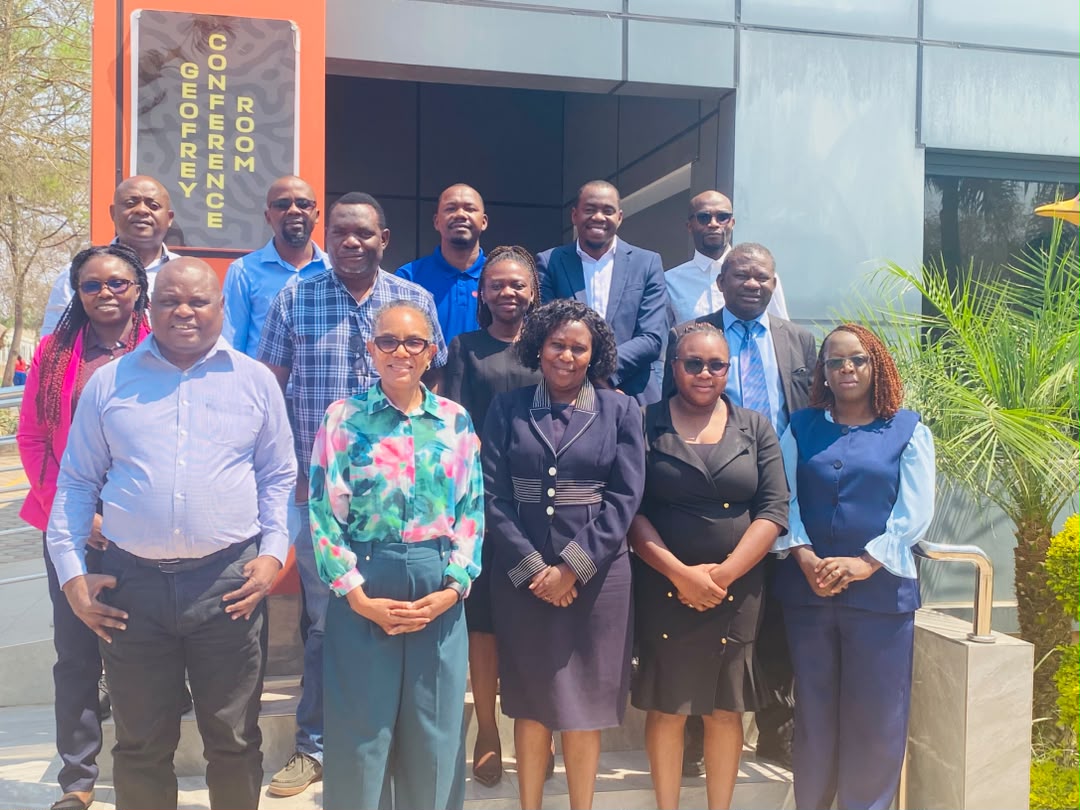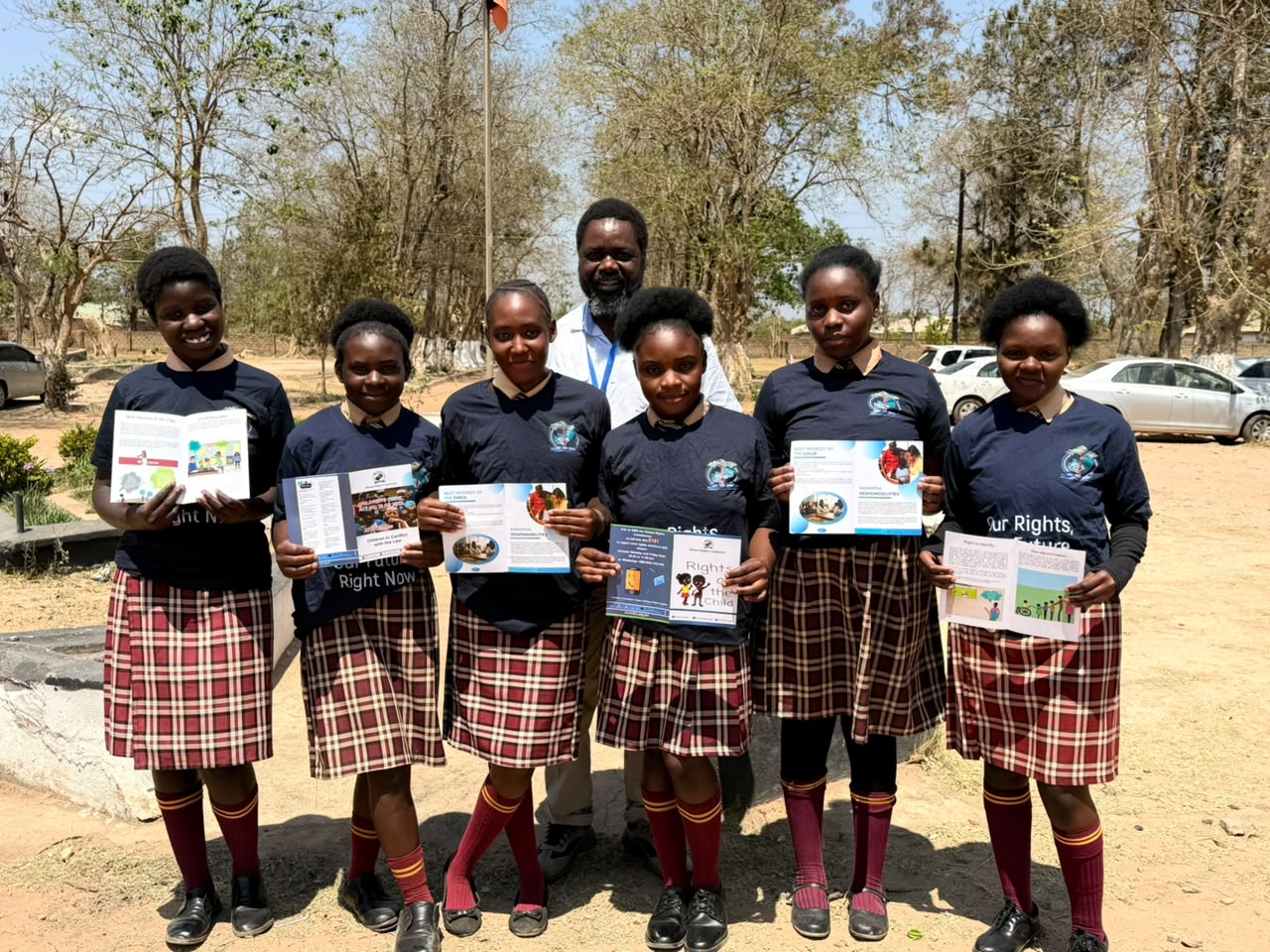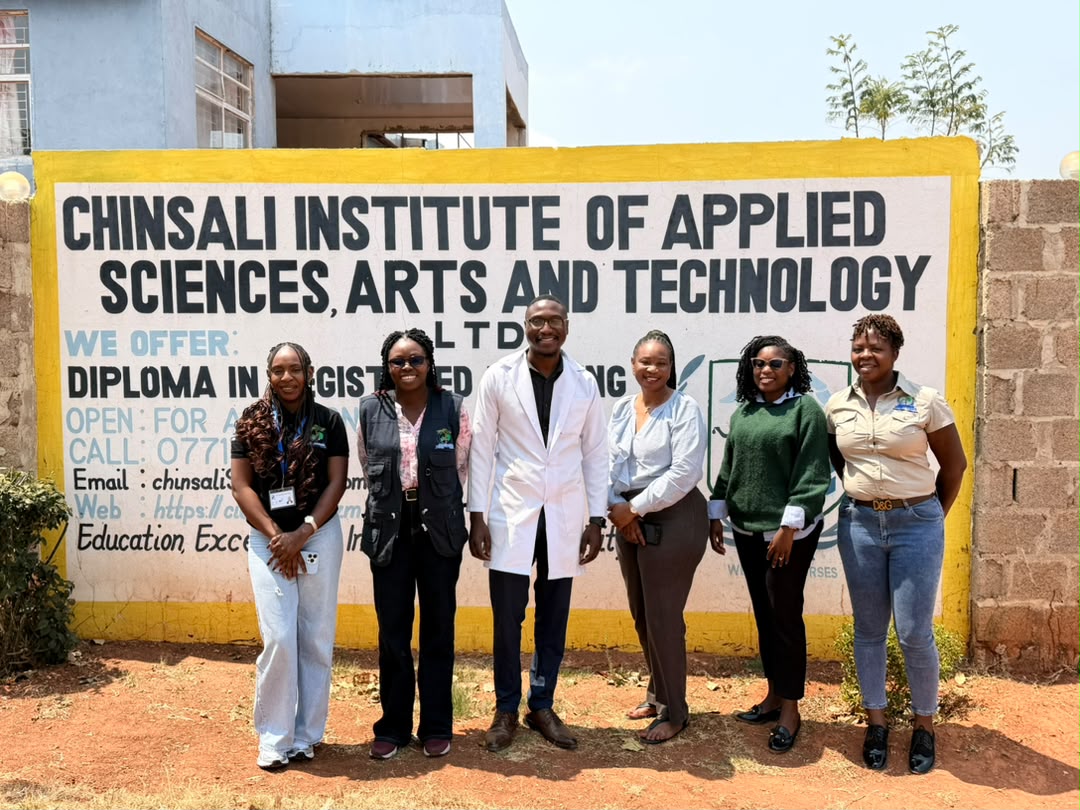
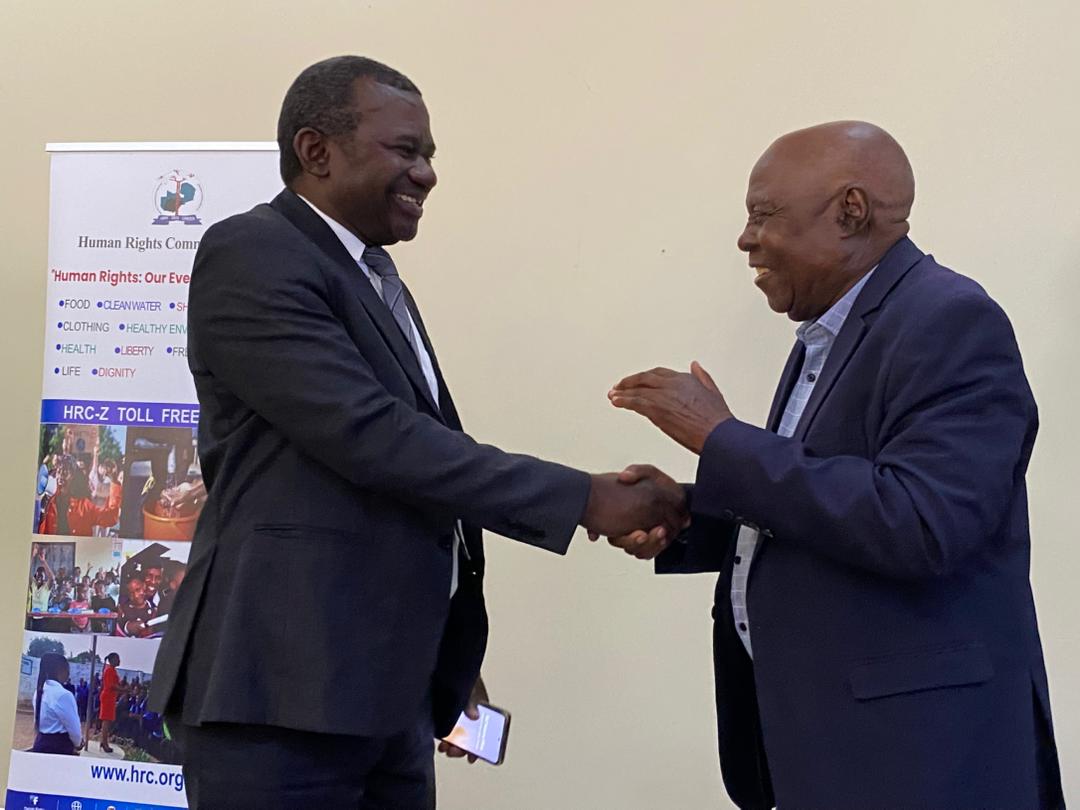
The Human Rights Commission of Zambia (HRC-Z) on 3rd February 2026 held a stakeholder engagement on Human Rights and Elections in Mongu, Western Province, bringing together stakeholders from all walks of life to strengthen their understanding of participatory rights and their role in promoting free and fair elections.
Human Rights Commission Director for Education, Training and Advocacy, Mr. Mweelwa Muleya, led the engagement on human rights and elections.
Mr. Muleya explained that participatory rights enable citizens to effectively take part in public affairs and include the right to participate, freedom of expression, freedom of assembly and association, access to information and the right to vote.
“Participatory rights are critical to the promotion and protection of human rights and to the conduct of free and fair elections,” Mr. Muleya said.
Speaking ahead of the August 2026 General Elections, Mr. Muleya emphasised the importance of respecting fundamental freedoms during the electoral process.
“Political parties should be allowed to participate in elections without fear or intimidation. People must be free to vote for a party or candidate of their choice so that the free will of the people can prevail through fair and credible elections,” he said.
He highlighted that freedom of expression under Article 20 of the Constitution of Zambia is the lifeblood of democracy, as it enables voters to make informed decisions, while access to information is a justiceable right under the Access to Information Act overseen by the Commission.
He noted that although rights may be limited in the interest of national security and public order, such limitations must be lawful and reasonable.
Mr. Muleya also stressed that the rights to freedom of assembly and association, protected under Article 21 of the Constitution and international human rights instruments, are essential to multi-party democracy.
“It is difficult to have free and fair elections where the rights to freedom of assembly and association are not respected. These rights are the foundation of multi-party democracy,” he said.
The engagement was interactive, with participants raising questions on prison and detention standards, anonymous reporting, whistle-blower protection, conditions in police cells, and the Commission’s collaboration with the Electoral Commission of Zambia and the Zambia Police Service during elections.
In response, Mr. Muleya explained that the Commission applies the Mandela Rules when visiting correctional facilities and respects the anonymity of complainants. He also noted the Commission’s ongoing advocacy for the enactment of a law criminalising torture and reiterated the importance of the presumption of innocence under Article 18 of the Constitution.
During the same engagement, Human Rights Commission Senior Education and Training Officer, Ms Lucy Munthali, explained the mandate of the Commission and the principles of Human Rights.
The Human Rights Commission reaffirmed its commitment to promoting and protecting human rights before, during and after elections and called on all stakeholders to uphold democratic principles.