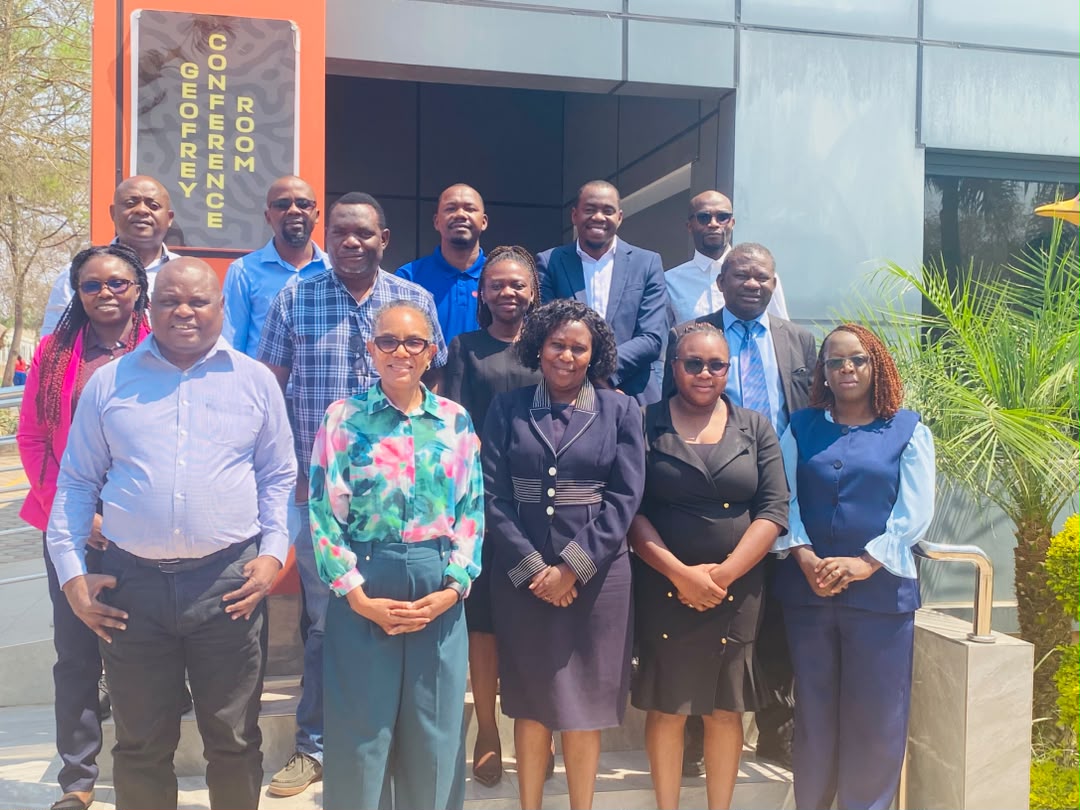
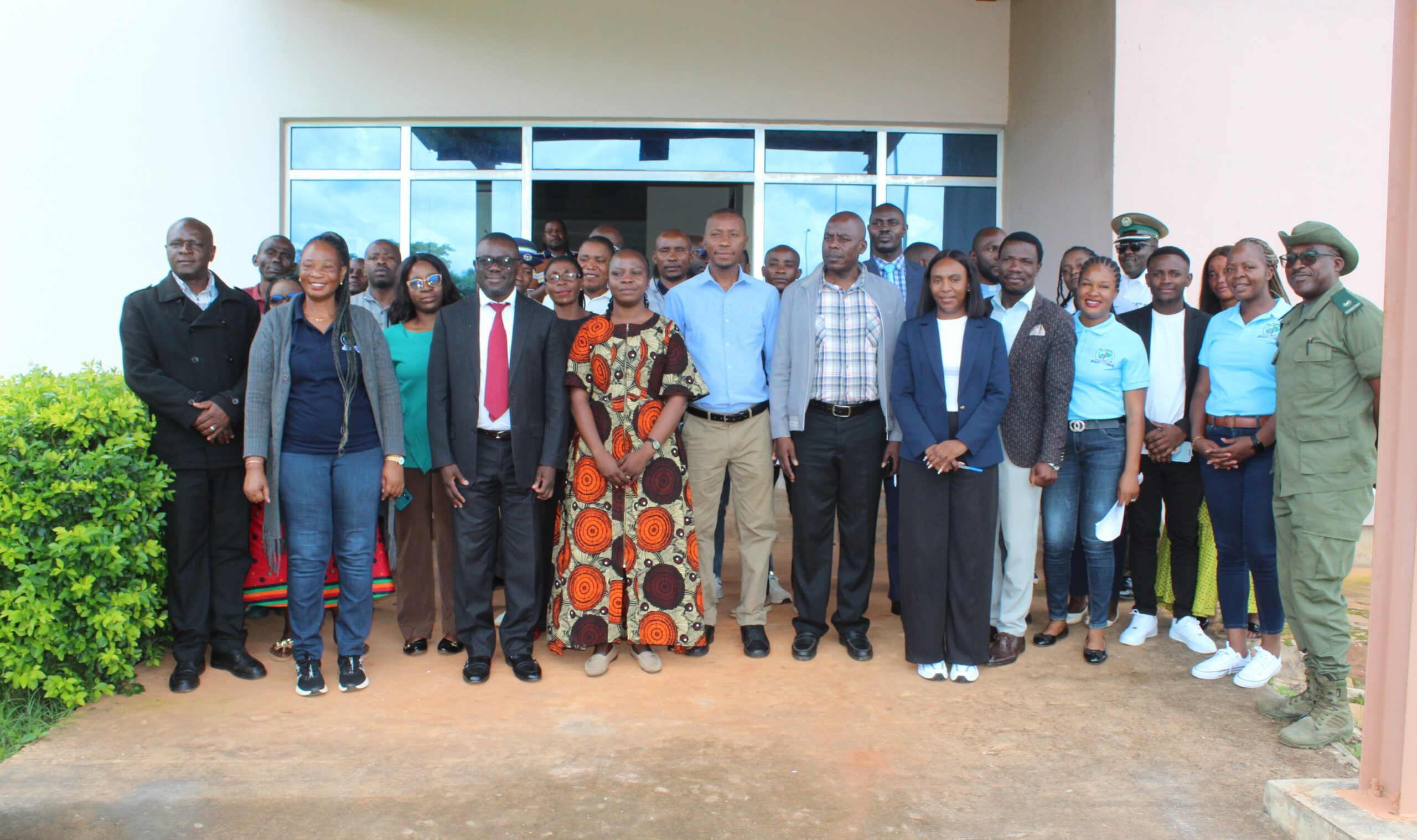
The Human Rights Commission of Zambia (HRC-Z) on 6th February 2026 held a stakeholders’ engagement meeting on elections and human rights at the Council Chambers in Chinsali District, Muchinga Province, as part of its continued efforts to promote democratic governance and the protection of fundamental freedoms.
The meeting brought together a wide range of stakeholders drawn from Government institutions, Non-Governmental Organisations, the media, civil society organisations, and human rights defenders to discuss the intersection between electoral processes and the enjoyment of human rights.
The engagement was graced by Chinsali Acting District Commissioner, Ms. Brendah Silwembe, who outlined the importance of using the pre-election period to address challenges within Zambia’s electoral system.
Ms. Silwembe called on citizens and institutions alike to identify existing gaps and strengthen mechanisms that safeguard the rights and dignity of all citizens before the country heads to the polls.
“Elections do not exist in isolation. They are deeply interconnected with human rights, particularly the rights to participation, expression, association, peaceful assembly, and access to accurate information,” Ms. Silwembe said.
Ms. Silwembe emphasized that it is important for citizens to be well-informed and encouraged to participate meaningfully in democratic processes as the country draws closer to polling day.
“Democracy thrives not only when people vote, but when they do so with understanding, confidence, and security,” she added.
Earlier, HRC-Z Manager for Human Rights Advocacy, Mr. Simon Mulumbi, who also led the Commission’s delegation, highlighted that human rights and credible elections are among the most important pillars of democracy.
Mr. Mulumbi also stressed that access to information is not a privilege, but a fundamental human right essential for informed participation in elections.
“When we talk about elections, they must be free and fair for them to meaningfully contribute to democracy. If elections are not credible, free or fair, then they do not serve democratic purposes,” Mr. Mulumbi said.
Mr. Mulumbi further noted that the enactment of the Access to Information law provides a legal framework for citizens to obtain information of public interest, which is critical in enabling voters to make informed decisions.
“Stakeholders, including the Commission, have been developing guidelines, regulations and rules to enable citizens access information. This information must be of public interest and that which is held by public bodies,” he said.
During the interactive session, stakeholders raised several concerns and recommendations for the Commission’s consideration, with some participants calling on HRC-Z to strengthen its advocacy around mental health, noting that many citizens are experiencing stress and psychological pressure, particularly during politically charged periods.
Others expressed concern over continued political arrests and questioned what role the Commission has played in addressing such practices.
Stakeholders urged HRC-Z to intensify its interventions to ensure respect for human rights and the rule of law, regardless of political affiliation.
In response, the Commission reaffirmed its mandate to promote, protect and investigate human rights violations and emphasized its commitment to working with stakeholders to ensure that elections are conducted in an environment that upholds human dignity, freedom, and equality for all.