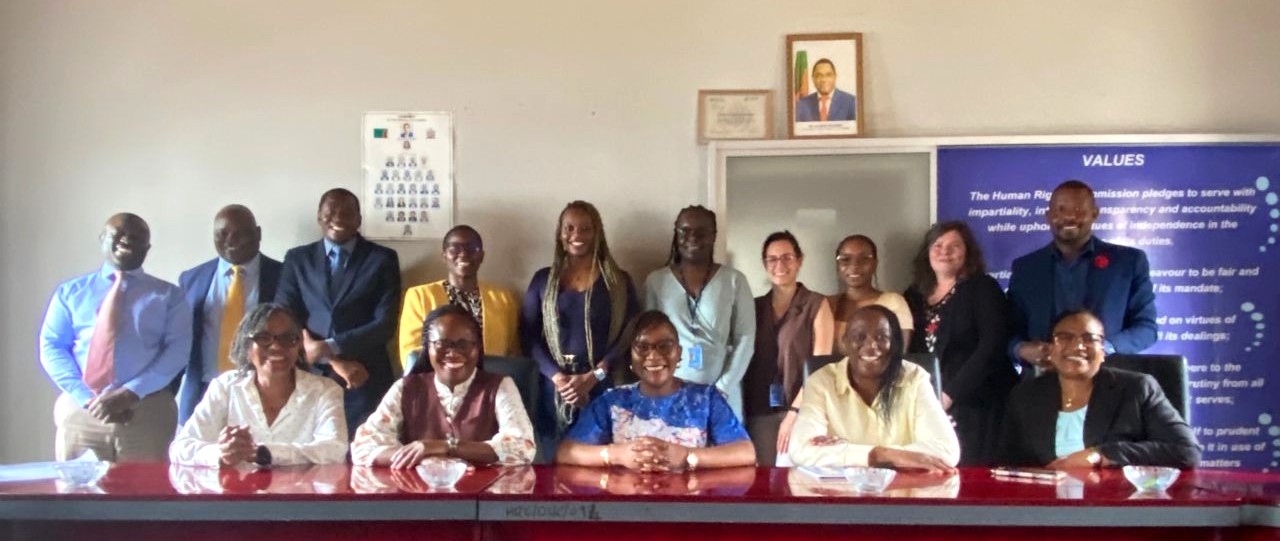
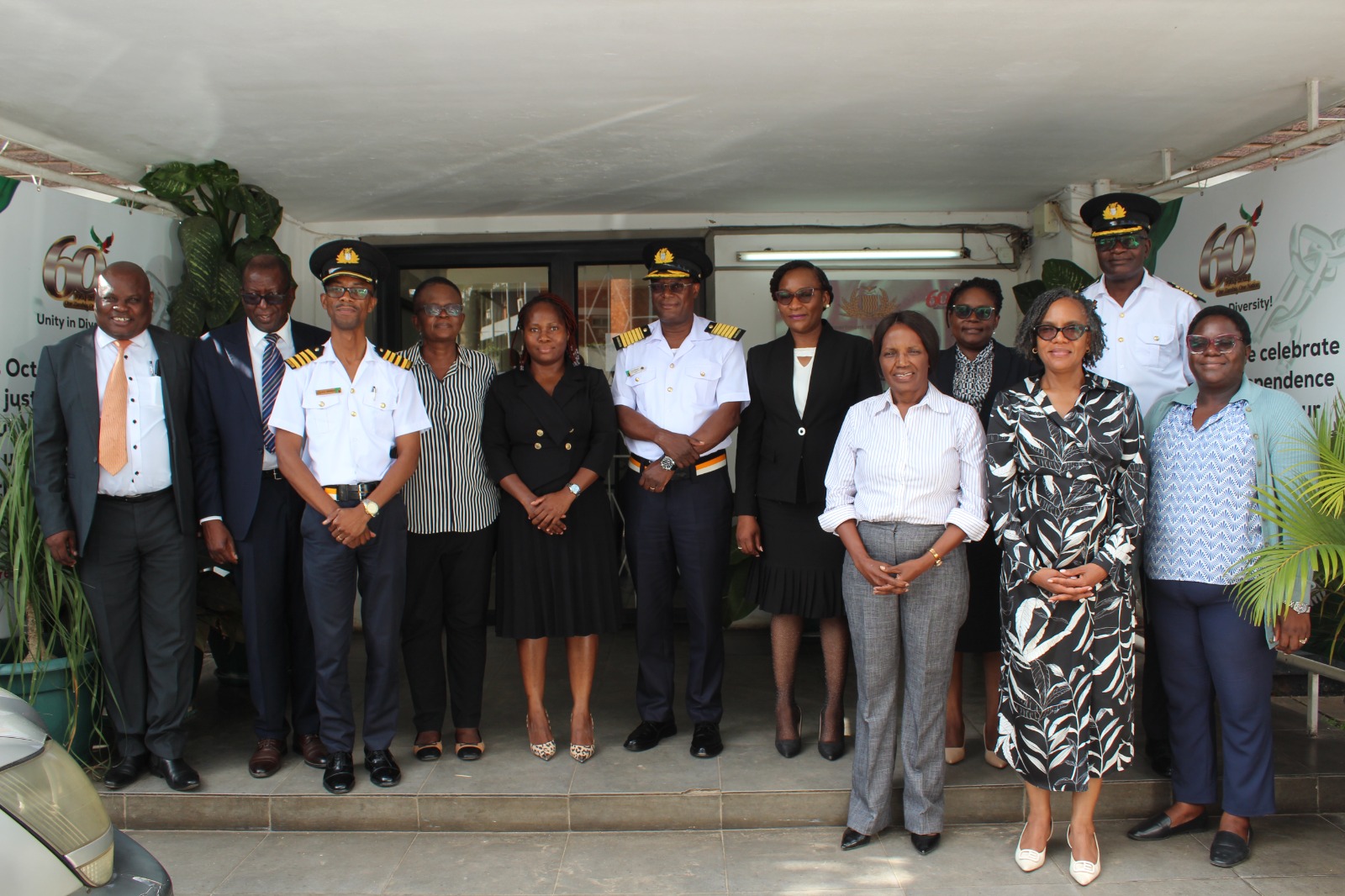
In an effort to ensure constructive dialogue, identify systemic challenges, and develop practical solutions for human rights complaints, the Human Rights Commission of Zambia (HRC-Z) paid a courtesy call on the Director General of the Department of Immigration, Dr. Japhet Lishomwa, on 27th January 2026.
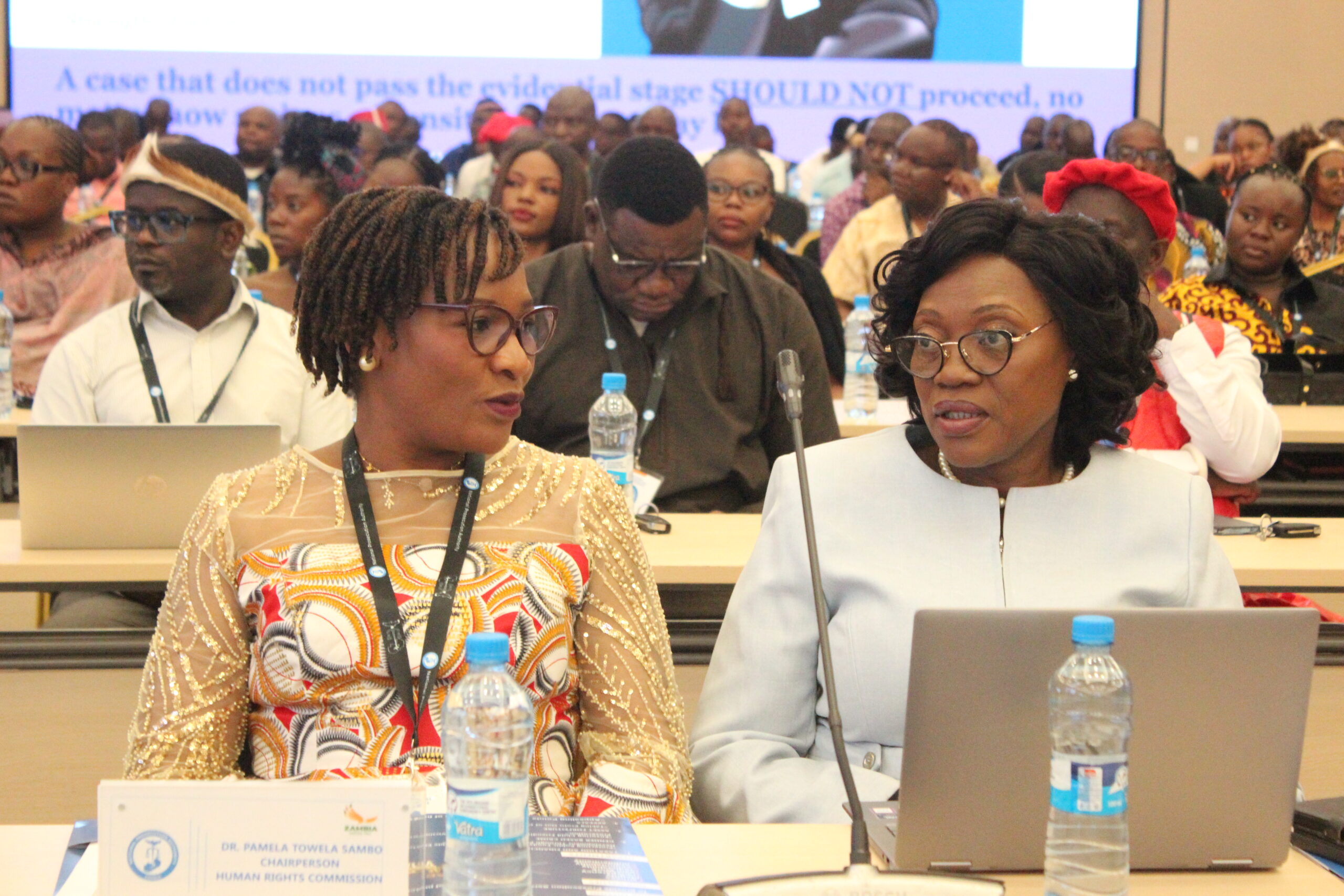
HRC-Z Chairperson, Dr. Pamela Towela Sambo, led the delegation comprising of the Deputy Chairperson, Dr. Felicity Kalunga, Commissioner Laura Miti, Commissioner Panic Malawo Chilufya and HRC-Z Director General, Ms. Mbololwa Wamunyima and other members of the Secretariat.
In her opening remarks, Dr. Sambo expressed concern about the prolonged detention of prohibited immigrants who have completed their sentences or paid the necessary fines, which is against internationally recognised principles preventing deprivation of liberty.
The Chairperson was also concerned about the conditions prohibited immigrants, especially victims of human trafficking, face in correctional facilities and police detention, which deprive them of human dignity, despite immigration detention being administrative.
In the spirit of dialogue, the Department of Immigration Director General stated that his office was also concerned about the prolonged detention of prohibited immigrants, as this was causing overcrowding in detention and correctional facilities.
Dr. Lishomwa noted that delayed repatriation was a result of a number of factors, including a general lack of documentation among detainees, worsened by the lack of Embassies for countries of origin for some prohibited immigrants in Zambia and logistical challenges to facilitate the removal of the affected illegal immigrants.
The Director General assured the delegation that the immigration department had a zero-tolerance policy regarding heavy-handedness in handling prohibited immigrants, ensuring that their rights are reasonably respected at all times. He stressed that cases of violations are handled through established channels.
Meanwhile, the Department of Immigration Deputy Director General, Mr. Enos Chibombe, said that there was a need for the country to invest in more safe houses and transit homes, to ensure that human trafficking victims are kept away from correctional facilities and police detention.
After a detailed exchange of views on issues, such as the feeding of detained illegal immigrants and the elimination of corruption in visa acquisition, especially for students, the two institutions agreed to enhance collaboration and appointed focal point persons to lead and sustain the collaboration.