The Human Rights Commission of Zambia (HRC-Z) has called on victims of alleged “Sex for Adoption” allegations to report to the Commission, as it intensifies efforts to address emerging human rights concerns ahead of the August 2026 general elections.
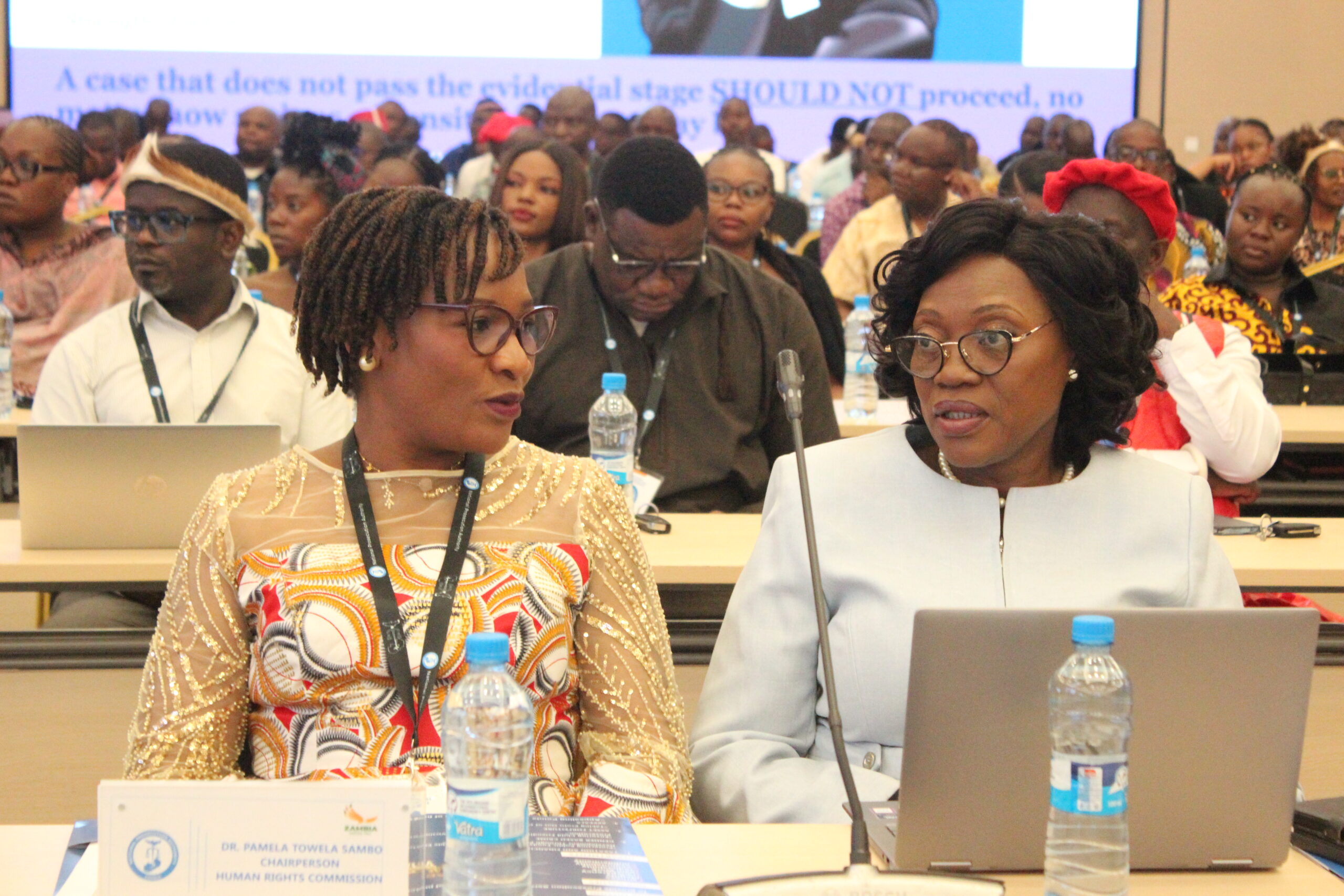
Responding to questions after making a presentation today at the National Prosecution Authority (NPA) Prosecutors Conference in Lusaka, HRC-Z Chairperson Dr. Pamela Towela Sambo said the Commission has taken keen interest in the reports and is ready to investigate any cases brought to its attention.
Dr. Sambo emphasized that such acts, if proven, constitute serious violations of human rights and must be met with firm legal action.
She urged victims to report perpetrators through the Commission’s offices or its toll-free number 8181, stressing that promoting access to justice and protection of vulnerable groups are at the core of the Commission’s mandate.
In her presentation, Dr. Sambo highlighted the close link between human rights and democratic elections, noting that Zambia’s constitutional order is anchored on the respect for fundamental freedoms, including the right to vote and participate in governance.
She warned that election periods often carry heightened risks of violations such as arbitrary arrests, unlawful detention, hate speech, and discrimination, particularly against women, children and persons with disabilities.
She underscored the importance of safeguarding key rights including the right to life, personal liberty, freedom of expression, assembly and association, stating that violations of these rights undermine the credibility of elections and threaten national stability.
Dr. Sambo further stressed the critical role of prosecutors in upholding human rights during elections, noting that their decisions must be guided by evidence, legality and public interest.
She cautioned against politically motivated prosecutions and called for professionalism, impartiality and independence within the justice system to ensure public confidence.
Dr. Sambo also outlined measures the Commission is undertaking ahead of the 2026 General Elections, including stakeholder engagement, capacity building for law enforcement, promotion of dialogue and mediation, and the re-launch of the Early Warning and Early Response (EWER) system to prevent electoral conflict.
Additionally, she noted that the Commission will actively investigate election-related violations and pursue public interest litigation where necessary.
Meanwhile, former Namwala Member of Parliament Moono Lubezhi raised concern over persistent discrimination against women, particularly in politics.
Ms. Lubezhi noted that structural and cultural barriers continue to limit women’s participation in leadership and called for deliberate efforts to create a more inclusive political environment.
Adding a regional perspective, Alloys Kemo, Secretary Prosecution Services at the Office of the Director of Public Prosecutions in Kenya, emphasized the central role of prosecutors in protecting human rights and ensuring accountability.
Mr. Kemo stressed that adherence to the rule of law and the independence of prosecutorial functions were essential to preventing abuse of the justice system, especially during politically sensitive periods.
As Zambia prepares for the August 2026 General Elections, the Human Rights Commission remains committed to working with all stakeholders to ensure that the electoral process is conducted in an environment characterized by transparency, inclusivity, peace and respect for human rights.