The Human Rights Commission of Zambia (HRC-Z) has expressed concern over persistent stigma, social exclusion and harmful cultural misconceptions affecting intersex persons in Zambia, with limited community awareness identified as a key factor contributing to reduced dignity, wellbeing and access to essential services.
Intersex is a term used to describe persons born with sex characteristics, including genitalia, gonads and chromosomal patterns that do not fit typical binary notions of male or female bodies. Although these variations form part of natural human biological diversity, they remain widely misunderstood at the community level.
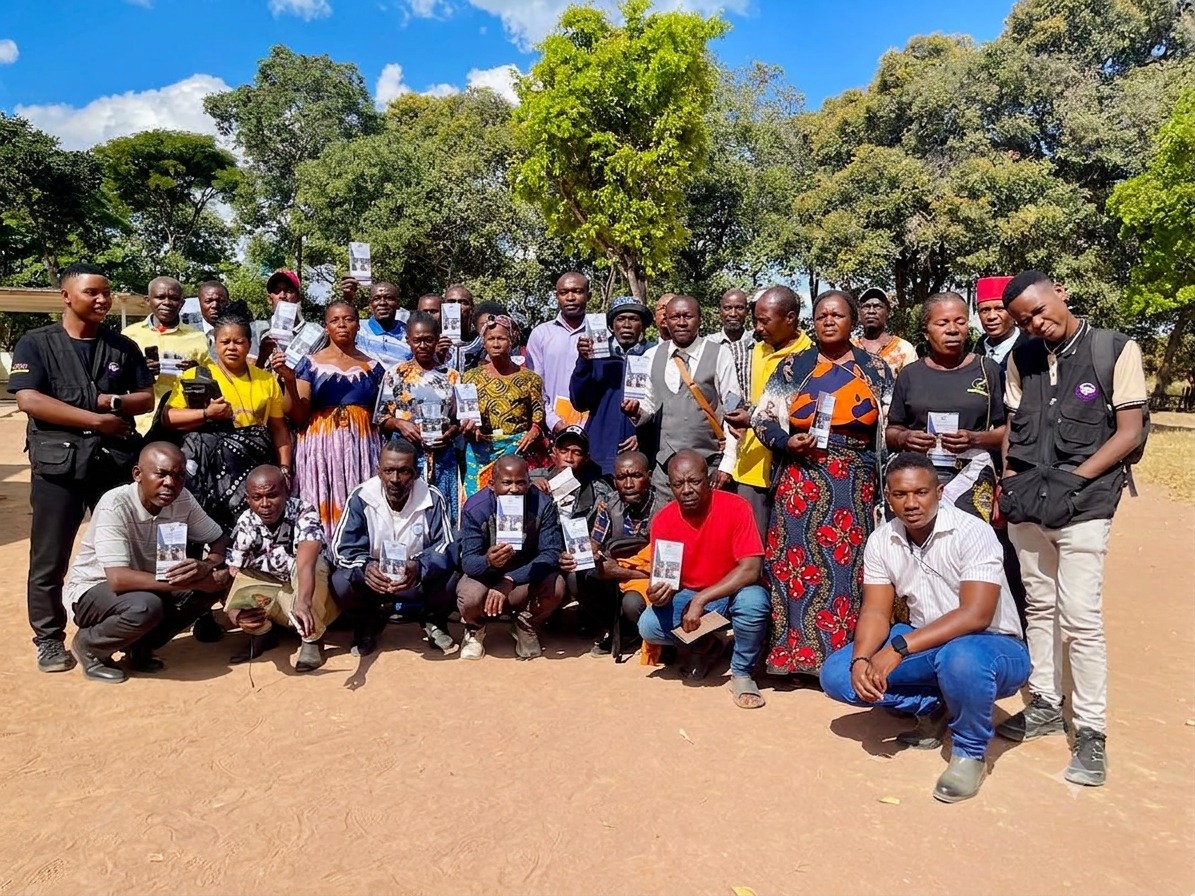
Speaking during community engagement sessions held in Kasama and Lunte Districts of Northern Province from 2nd to 4th June 2026, HRC-Z Investigations Officer Mr. Dennis K. Chulu said deeply rooted cultural beliefs and misconceptions continue to shape community attitudes towards vulnerable and marginalised persons, exposing them and their families to discrimination and social isolation.
Mr. Chulu emphasised that traditional leaders, as the most trusted and influential voices within their communities, have a vital responsibility to promote dignity, respect and inclusion for all persons, including those who are most marginalised.
He reaffirmed the HRC-Z’s commitment to working with community leadership structures to ensure that the rights and welfare of every person are upheld, regardless of their circumstances of birth.
During the same engagement, Intersex Society of Zambia (ISSZ) Founder and Executive Director Mr. Mphatso Sakala called for stronger collaboration among government, traditional leaders, communities, and other stakeholders to promote inclusive policies and eliminate harmful norms that perpetuate inequality and discrimination.
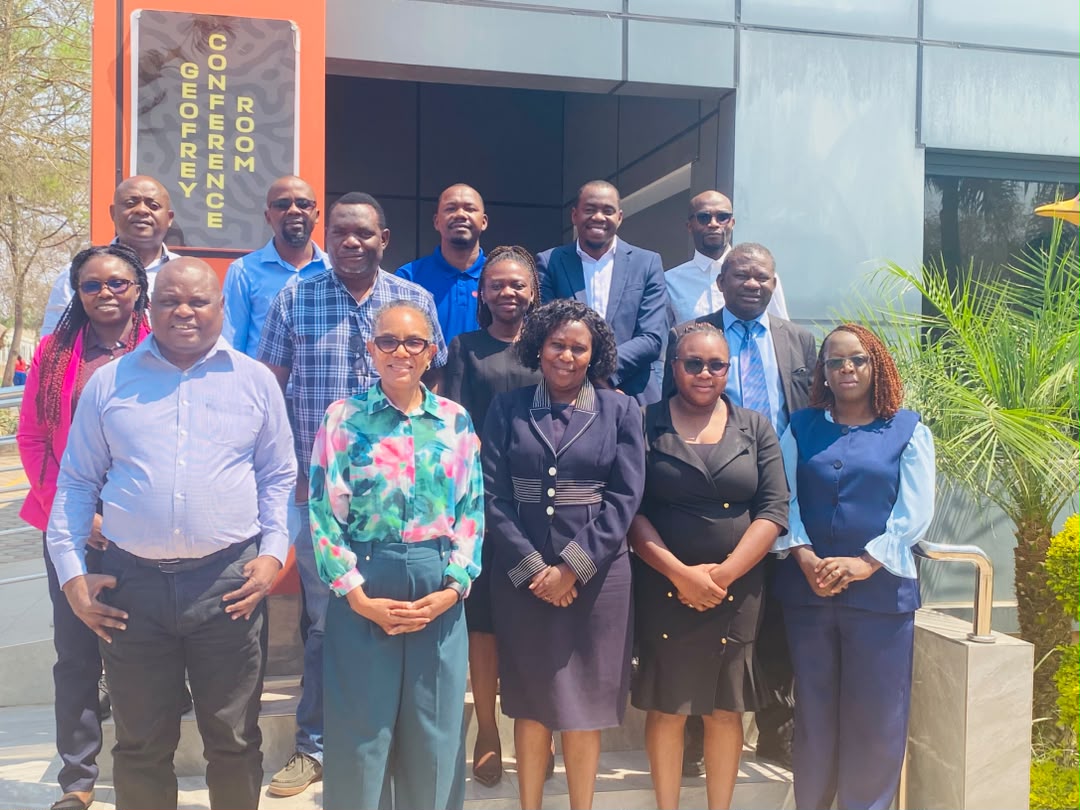
The engagements were jointly conducted by the HRC-Z, ISSZ and Department of Chiefs Affairs, reaching traditional leaders and community representatives across three chiefdoms in Kasama and Lunte Districts.
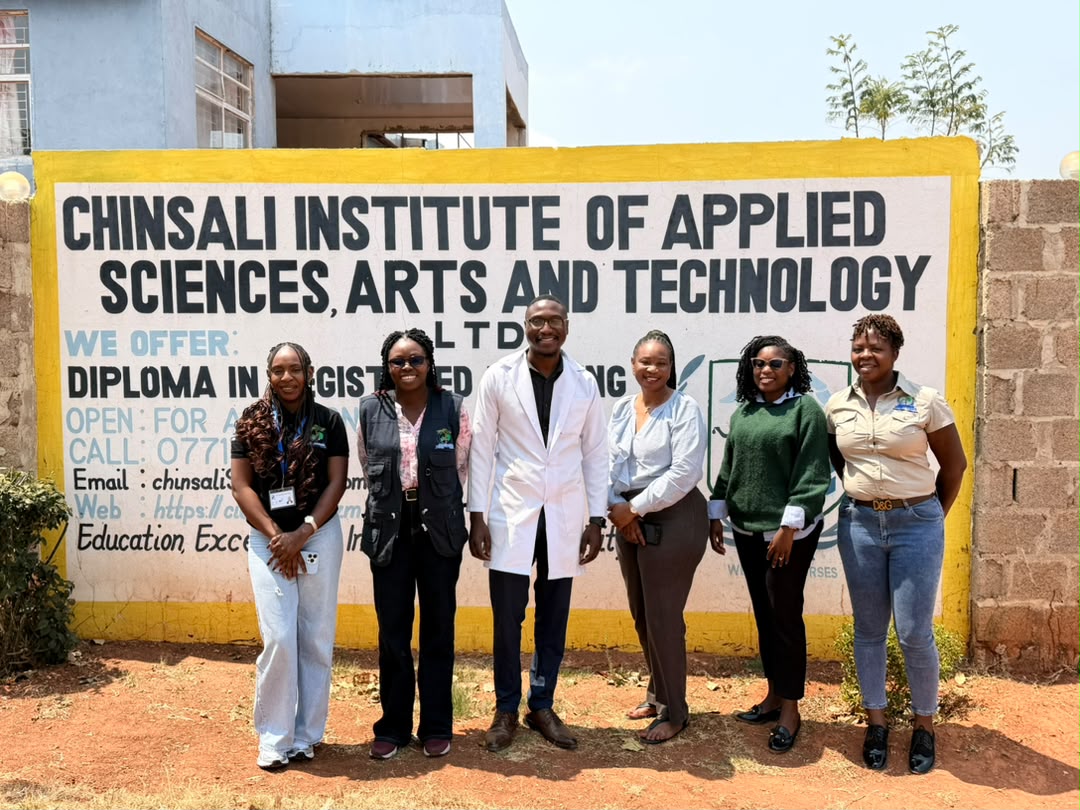
Additional outreach was conducted at Chisanga Market in Kasama, and the team also participated in a live broadcast on One Love Radio to extend awareness across Northern Province.
The sensitisation programmes forms part of the HRC-Z’s broader mandate to promote and protect the human rights of vulnerable and marginalised groups, including intersex persons, through sustained engagement with traditional leaders, communities, and other key stakeholders across Zambia.