The United Nations Office of the High Commissioner for Human Rights (UN OHCHR) has embarked on a collaborative partnership with the Human Rights Commission – Zambia, in promoting and protecting Economic, Social and Cultural Rights (ESCRs).
The UN OHCHR is providing technical and financial assistance to the Commission to enhance its capacity to effectively promote, protect and monitor ESCRs.
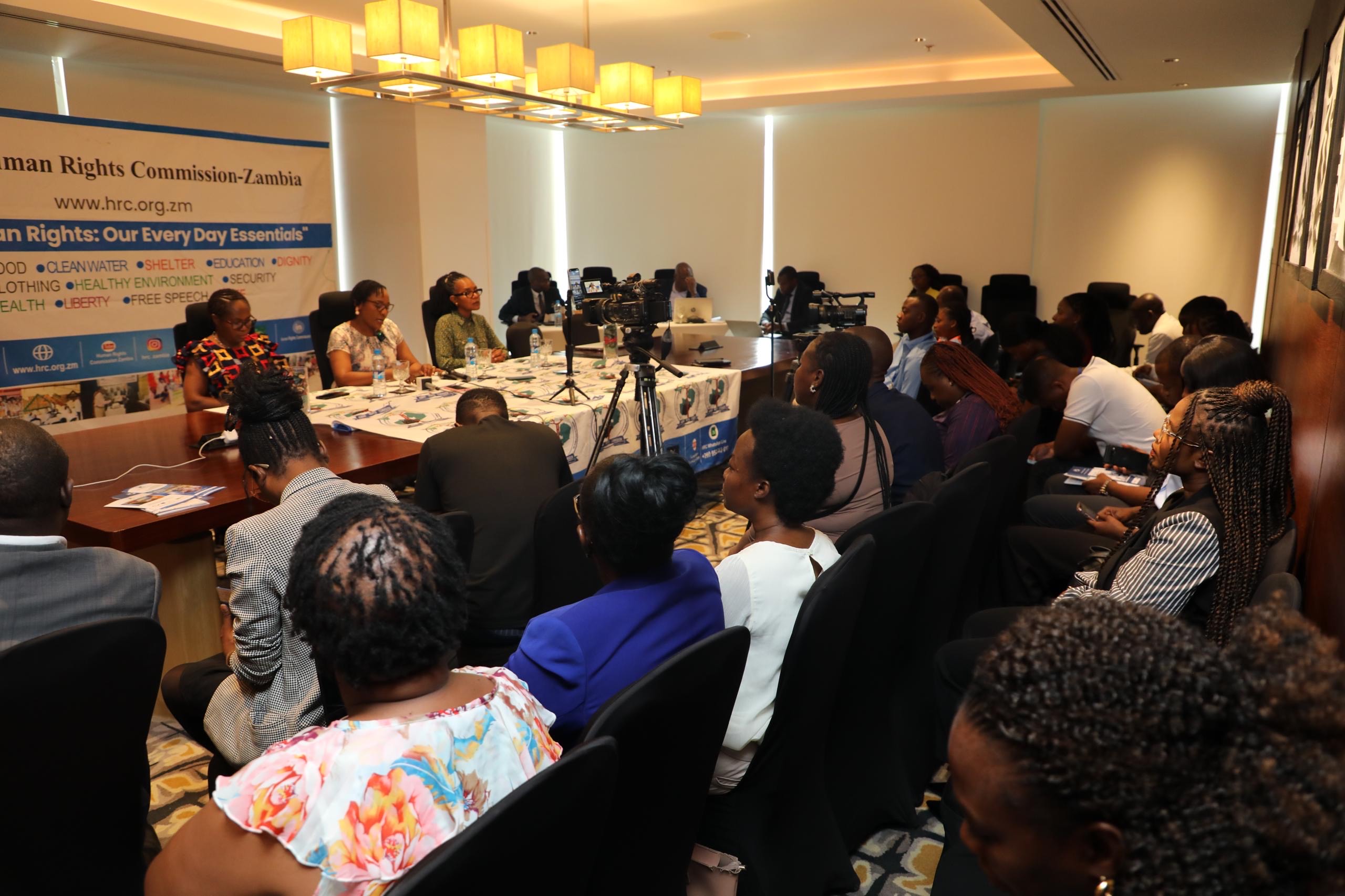
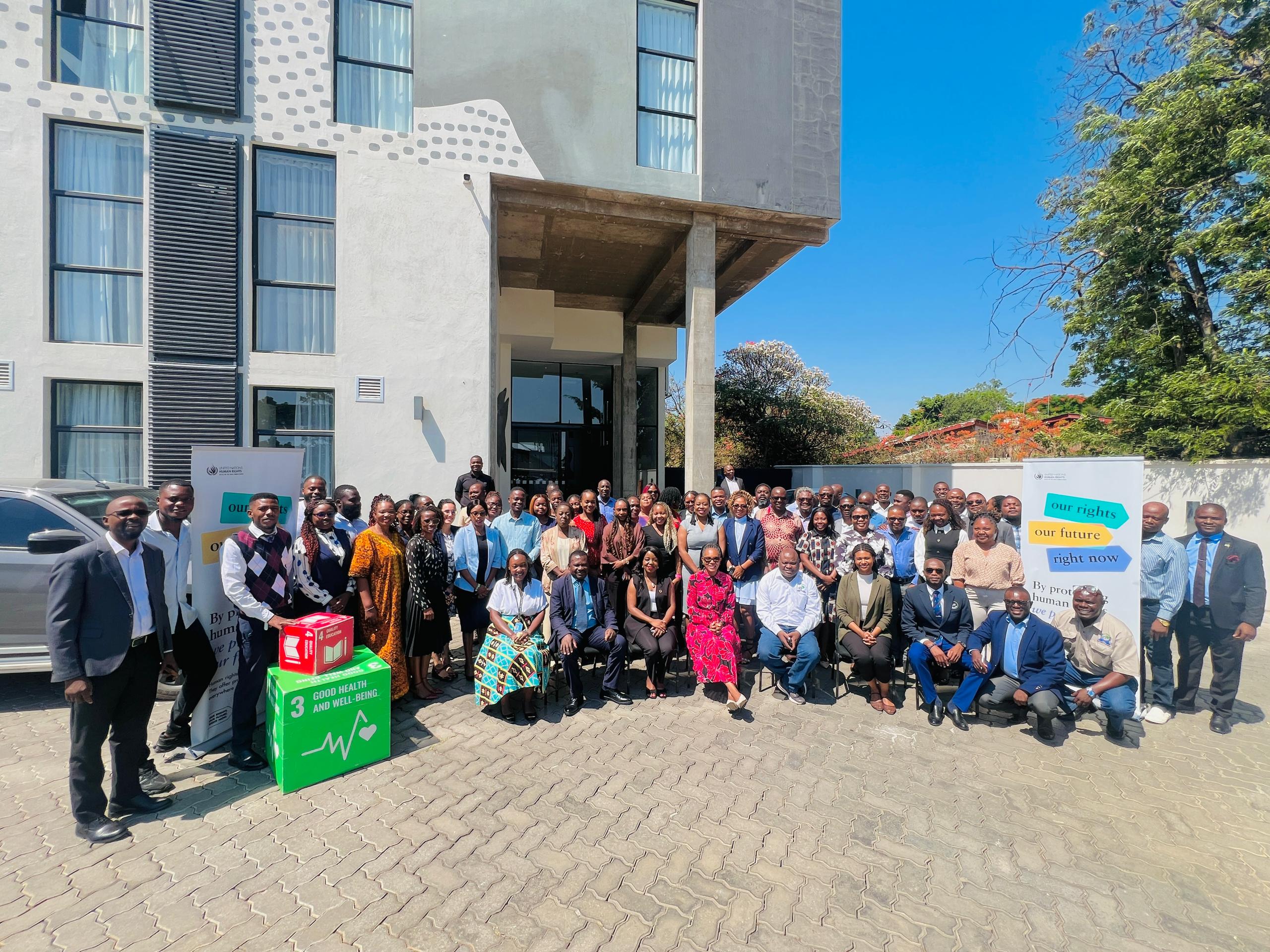
The first technical and financial support was a capacity-building workshop on ESCRs, held from 2 to 4 November 2026 at the Urban Hotel in Lusaka, which brought together more than 70 Commission staff from Head Office and provincial offices.
The workshop forms part of a series of activities supported by the UN OHCHR and draws on the expertise of facilitators and representatives of various United Nations agencies. It also explored a range of issues, including workers’ rights, child protection, gender equality, migration, business and human rights, public resource management, ESCR and SDGs, monitoring public policies affecting the enjoyment of ESCRs and the principle of Leaving No One Behind.
The workshop was facilitated by UN experts from the Zambia Office, Resident Coordinator’s Office, OHCHR regional office in South Africa and Geneva ESCR unit representing OHCHR, UNICEF, United Nations Population Fund (UNFPA), United Nations Office on Drugs and Crime (UNODC), International Organisation for Migration (IOM) and International Labour Organisation (ILO).
Officially opening the workshop, Commission Director General Ms Mbololwa Wamunyima emphasised the importance of translating the protection of economic, social and cultural rights into tangible improvements in people’s lives.
Ms Wamunyima noted that although Zambia’s Bill of Rights does not comprehensively guarantee economic, social and cultural rights as directly enforceable rights, domestic legislation protects aspects of these rights.
She also highlighted Zambia’s obligations under the International Covenant on Economic, Social and Cultural Rights (ICESCR), emphasising the Commission’s role in supporting the government’s obligation to submit periodic treaty-based State Party Reports and also submitting its own alternative independent reports to the Committee on ICESCR.
“Behind these rights are the daily realities of the people we serve: access to healthcare, education, adequate food, housing, decent work, social protection and participation in cultural life. Our effectiveness must therefore be measured by how our work contributes to improving people’s lives, particularly those facing exclusion and discrimination,” she said.
Ms Wamunyima urged participants to engage actively in the training, apply what they learned in their areas of responsibility, and share it with colleagues and other stakeholders, noting that the workshop was designed as a training-of-trainers initiative.
In remarks delivered on behalf of OHCHR, UN Senior Human Rights Adviser, Ms Yvonne Masarakufa, emphasised that ESCRs are fundamental to human dignity, equality and social justice.
“The rights to education, health, adequate housing, food, water, decent work and social protection are not privileges or acts of charity; they are legally recognised entitlements that give rise to corresponding State obligations,” she said.
Ms Masarakufa reaffirmed OHCHR’s commitment to supporting the Commission’s institutional capacity to advance the promotion and protection of ESCRs, including identifying systemic inequalities to ensure no one is left behind.
The initiative is aimed at strengthening the Commission’s capacity to integrate ESCRs into its monitoring, advocacy, policy engagement and oversight work.